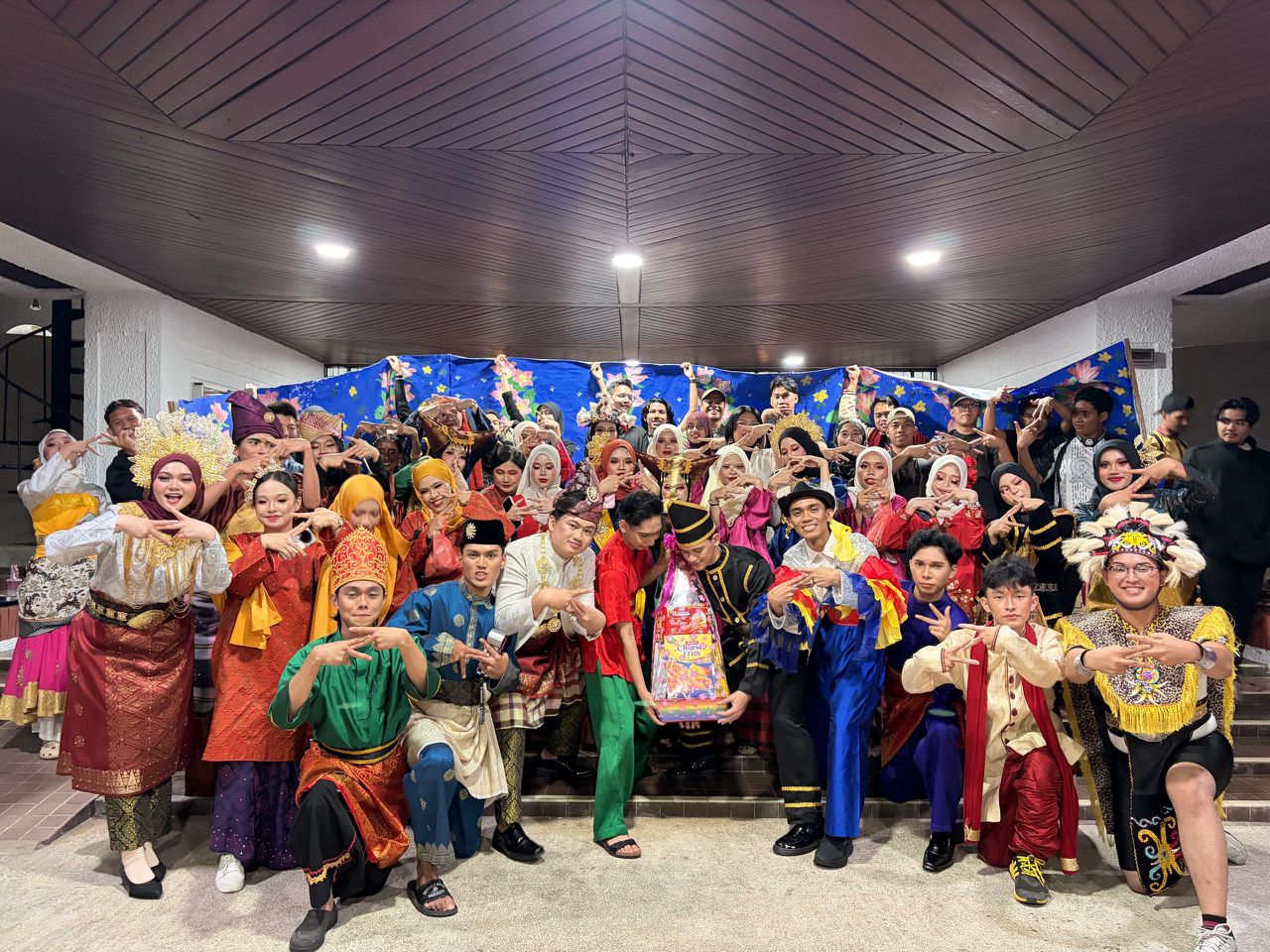
The Malam Tunas Budaya (MTB) Competition in conjunction with Minggu Perkasa Putra for the 2025/2026 academic session was a significant highlight event organised by the Student Affairs Division of Universiti Putra Malaysia (UPM), coordinated by the Student Representative Council of Kolej Pendeta Za’ba (KPZ). The programme was held on 11 October 2025, beginning at 8:00 p.m., at the Sultan Salahuddin Abdul Aziz Shah Arts and Cultural Centre. This comprehensive report was prepared by the Programme Director, Aisyah Binti Mohd Zahari, on 10 December 2025, and the activity was supervised by Mr. Mohd Azuar Hamizan Bin Rahman. The programme’s target group consisted of new UPM students for the 2025/2026 session, involving a total of 55 first-year participants.
The main objective of organising MTB was to deliver a meaningful and positive impact on new undergraduates. The programme successfully developed essential performing arts skills—including dance, singing, and theatre—through intensive training, which in turn enhanced participants’ self-confidence and creative communication abilities. It also fostered an important team-based learning environment, nurturing values such as cooperation, discipline, and responsibility, while encouraging an appreciation of arts and culture among the new students.
The programme had a significant impact on the first-year students, making Malam Tunas Budaya one of the sweetest and most memorable orientation experiences, more so than other evening events held throughout the orientation week. Despite the short and rushed preparation period, participants were still able to deliver high-quality and outstanding performances, even winning the award for Most Creative Performance. The event-day schedule began as early as 11:00 a.m. with costume and prop preparation, followed by the KPZ rehearsal at 2:00 p.m., then makeup and getting ready before moving to the main hall for the event.
Although the programme was successfully implemented and left a strong emotional impact on participants, several recommendations for improvement were identified to further enhance the quality of future events. The primary suggestions involve time management and scheduling: it is recommended that the competition date be set later to allow more adequate training time, and that daily rehearsal schedules be extended or organised more systematically. Additionally, the slow progress from certain working units—particularly involving backdrop components and synchronised dance elements—should be addressed by strengthening coordination between units. Lastly, planning for rehearsal sessions on the event day must be carried out more efficiently to avoid delays.
Date of Input: 12/12/2025 |
Updated: 12/12/2025 | nuriznifasihah
MEDIA SHARING